
History of Biographies – From Ancient Lives to Modern Storytelling
The art of biography is as old as civilization itself. For thousands of years, humans have sought to record the lives of remarkable figures—leaders, saints, artists, and thinkers. These life stories were more than entertainment; they served as tools of memory, moral instruction, and cultural identity.
In this guide, we’ll explore the history of biographies, tracing their evolution from ancient inscriptions to today’s multimedia storytelling.
Ancient Beginnings
The earliest known biographies date back to ancient Egypt, where funerary inscriptions celebrated the careers of royal officials. In Mesopotamia, the Epic of Gilgamesh blurred the line between myth and history.
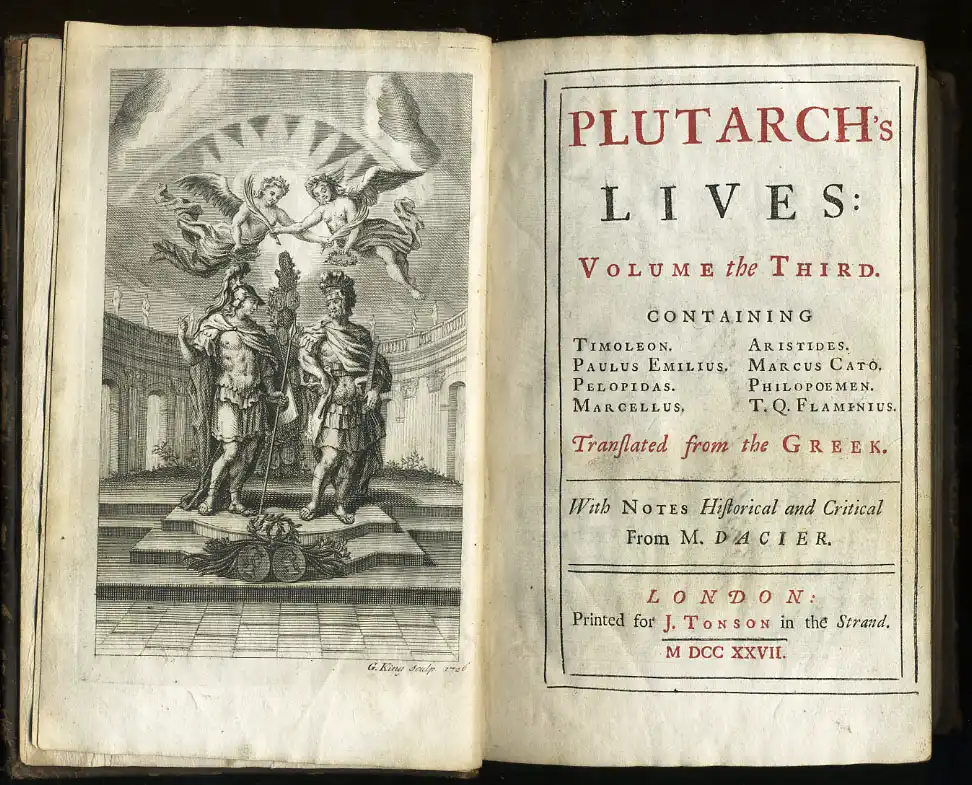
Greek and Roman traditions then gave biography its classical form. Works like Plutarch’s Parallel Lives and Suetonius’ Lives of the Caesars preserved not just events, but character and moral lessons. These biographies paired statesmen, generals, and philosophers as exemplars of virtue—or warnings of vice.
Biographies in the Medieval World
During the Middle Ages, the Church dominated biography. Known as hagiography, these works focused on saints, martyrs, and religious leaders, inspiring faith and devotion.
Meanwhile, Islamic scholars produced biographical dictionaries as early as the 9th century, documenting prophets, scholars, and rulers of the medieval Islamic world. In India, Jain authors wrote Prabandhas, semi-historical narratives of kings and poets.
Though secular lives were rarely the subject, the seeds of broader biography remained alive.
The Renaissance and Humanism
The Renaissance marked a turning point. With humanism on the rise, biographies shifted focus to artists, poets, and secular leaders. Giorgio Vasari’s Lives of the Artists (1550) became an early “bestseller,” shaping how the world remembered painters and sculptors.
The invention of the printing press amplified biographies, bringing stories of famous figures to wider audiences.
The Birth of Modern Biography
The 18th and 19th centuries established biography as a literary genre in its own right.
- James Boswell’s Life of Samuel Johnson (1791) set the gold standard for modern biography, blending research, interviews, and vivid storytelling.
- In America, biographies took a nationalistic tone, shaping identity through the lives of statesmen and pioneers.
- By the Victorian era, biographies were everywhere—though often written in a moralizing style, glorifying their subjects.
Twentieth-Century Transformations
The 20th century redefined biography. Writers like Lytton Strachey (Eminent Victorians, 1918) broke away from dry, monumental works, offering sharp, critical, and witty portraits.
At the same time, psychology and sociology influenced biographical writing, with greater attention to childhood, personality, and social environment. The “great man” approach gave way to more nuanced accounts.
Academic historians debated biography’s place in scholarship—sometimes dismissing it as “a lesser form of history”. Yet public demand kept growing, pushing scholars to recognize biography as both history and literature.
The Biographical Turn
In recent decades, scholars have spoken of a “biographical turn”, with renewed academic interest in life-writing. In the Netherlands, the “Dutch School of Biography” positioned biography as a subfield of history, blending archival research with microhistory.
This movement reinforced the idea that there is no history without people. Biographies are essential to understanding how individuals shape and are shaped by their times.
Biographies in the Digital Age
Today, biographies are not limited to books. We encounter them in:
- Films and documentaries dramatizing famous lives.
- TV channels like The Biography Channel and The History Channel.
- Online archives and multimedia projects that integrate text, video, and images.
Social media and platforms like Profilora now make biographies accessible globally, introducing young audiences to history, culture, and influential figures.
From ancient inscriptions to today’s digital platforms, biographies have continually evolved with the way people share stories. They remain a timeless bridge between individuals and history, memory and identity — a bridge that Profilora Biographies is dedicated to preserving and sharing with the world.
The biographical turn and the case for historical biography
History and biography
Historical development