From Houston Roots to a World Too Bright to Ignore
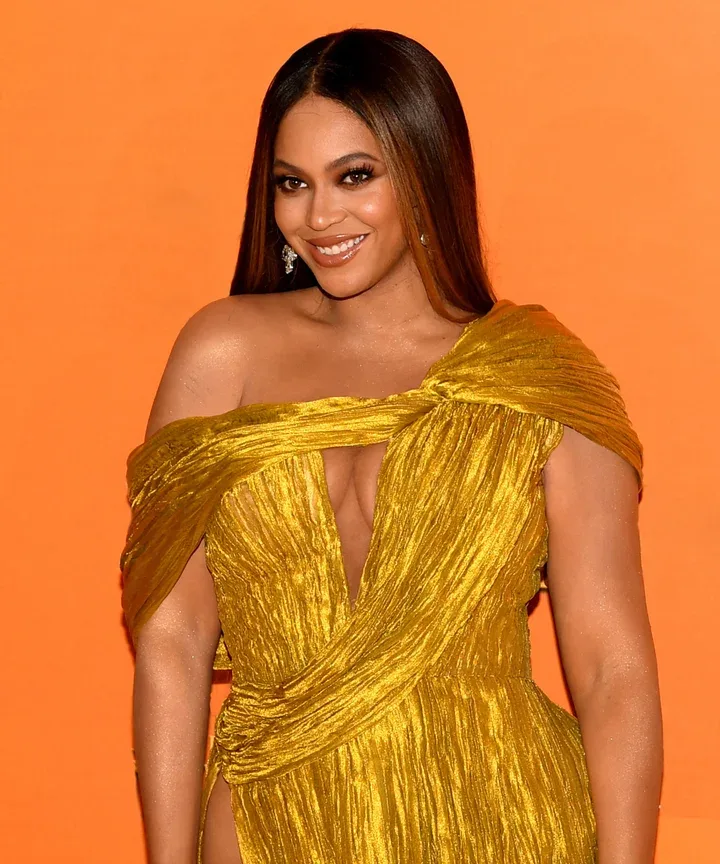
Beyoncé Giselle Knowles was born on September 4, 1981, in Houston, Texas, to Mathew Knowles, a sales manager with a knack for business, and Tina Knowles, a fashion designer whose creativity shaped much of her daughter’s future aesthetic. Music ran through her veins early; as a child, Beyoncé’s calm shyness would vanish the moment she began to sing. Her mother enrolled her in dance classes, and her teacher quickly noticed the voice that could hold a room silent.
In a city where church choirs and soul melodies filled the air, Beyoncé found her first stage in Sunday worship halls. Those humble beginnings—where rhythm met reverence—nurtured her discipline, spirituality, and belief that art could heal. Long before fame, she was a quiet perfectionist, rehearsing until her feet blistered and her voice soared beyond her years. The spark that would later light global stages was already burning beneath the Texas sun.
The Making of Destiny and the Rise of a Star
Beyoncé’s first serious step into music came with Girl’s Tyme, a teenage girl group that faced early rejection but built her endurance. Guided by her father’s management, the group evolved into Destiny’s Child, a name that would soon echo around the world. Their breakthrough came with hits like “Say My Name” and “Survivor”, anthems that turned empowerment into pop poetry.
Behind the glitter, there were nights of exhaustion, member changes, and relentless criticism—yet Beyoncé stood centered. Her drive was not just ambition; it was purpose. By her early twenties, she had learned the dual languages of leadership and collaboration, balancing the group’s harmonies with her own rising individuality. Destiny’s Child became one of the best-selling girl groups in history, but Beyoncé’s vision stretched far beyond collective fame.
Becoming Beyoncé: The Turning Point of a Global Icon
When she released Dangerously in Love in 2003, the world met Beyoncé as a solo artist—and as a force of nature. The single “Crazy in Love”, featuring Jay-Z, announced not only a new sound but a new era in R&B and pop. She embodied elegance and command in equal measure, merging choreography, storytelling, and fashion into a single artistic language.
From B’Day to I Am… Sasha Fierce, Beyoncé reinvented herself without losing sincerity. Her alter ego, Sasha Fierce, gave her permission to express strength that many women were told to hide. Grammy after Grammy followed, but more importantly, a message took root: power could coexist with vulnerability.
Then came Lemonade (2016)—a visual album that redefined how personal storytelling could become political art. Infused with Black Southern culture, poetry, and raw emotion, it tackled infidelity, lineage, and resilience. Critics hailed it as both a confession and a cultural manifesto. Through Lemonade, Beyoncé turned pain into performance, reclaiming her narrative with fearless beauty.
When the Spotlight Tested the Soul
Fame never arrives without weight. Beyoncé faced relentless public scrutiny—over her marriage, her perfectionism, her privacy. Yet instead of withdrawing, she learned to transform pressure into expression.
Her performances, such as Homecoming (2019) at Coachella, became love letters to her heritage and history. The first Black woman to headline that festival, she used the stage to celebrate HBCUs, African-American musicianship, and generational pride. The documentary that followed revealed her humanity—the exhaustion, the motherhood, the precision behind the spectacle.
Rather than controversy defining her, it refined her. Beyoncé emerged not only as an entertainer but as an architect of modern performance—one who insisted that excellence could be political.
The Woman Beyond the Music
Off-stage, Beyoncé Knowles-Carter is a mother of three, a philanthropist, and an advocate for equality. Through her BeyGOOD Foundation, she has supported education, disaster relief, and small businesses, especially in Black communities. She speaks softly in interviews, but her art roars for justice.
In her rare candid moments, she reveals a guiding principle: “Power’s not given to you. You have to take it.” That statement, rather than defiance, captures her philosophy—earn every triumph, honor every struggle. Her partnership with Jay-Z became both personal and creative, producing collaborative works like Everything Is Love, reflecting reconciliation and maturity.
Even her fashion collaborations and visual aesthetics tell stories of lineage—fabrics inspired by her mother’s designs, symbolism rooted in African royalty. Beyoncé has become a curator of identity, one whose elegance conceals immense resilience.
The Legacy That Outlives the Era
Today, Beyoncé stands as more than a performer; she is a cultural language. She redefined how women—especially Black women—see themselves in pop culture: powerful, multifaceted, and unapologetically brilliant. From young dancers in Lagos to choir singers in Atlanta, her influence echoes across generations.
Her artistry bridges the sacred and the spectacular, proving that global fame can coexist with purpose. Renaissance (2022) reaffirmed her ability to honor history while moving forward, celebrating queer culture, house music, and freedom of expression.
Beyoncé Giselle Knowles’s journey—from Houston’s church pews to the world’s grandest stages—is the story of how discipline becomes destiny, and how one woman turned music into both mirror and movement. Her name no longer just headlines arenas—it defines an era.